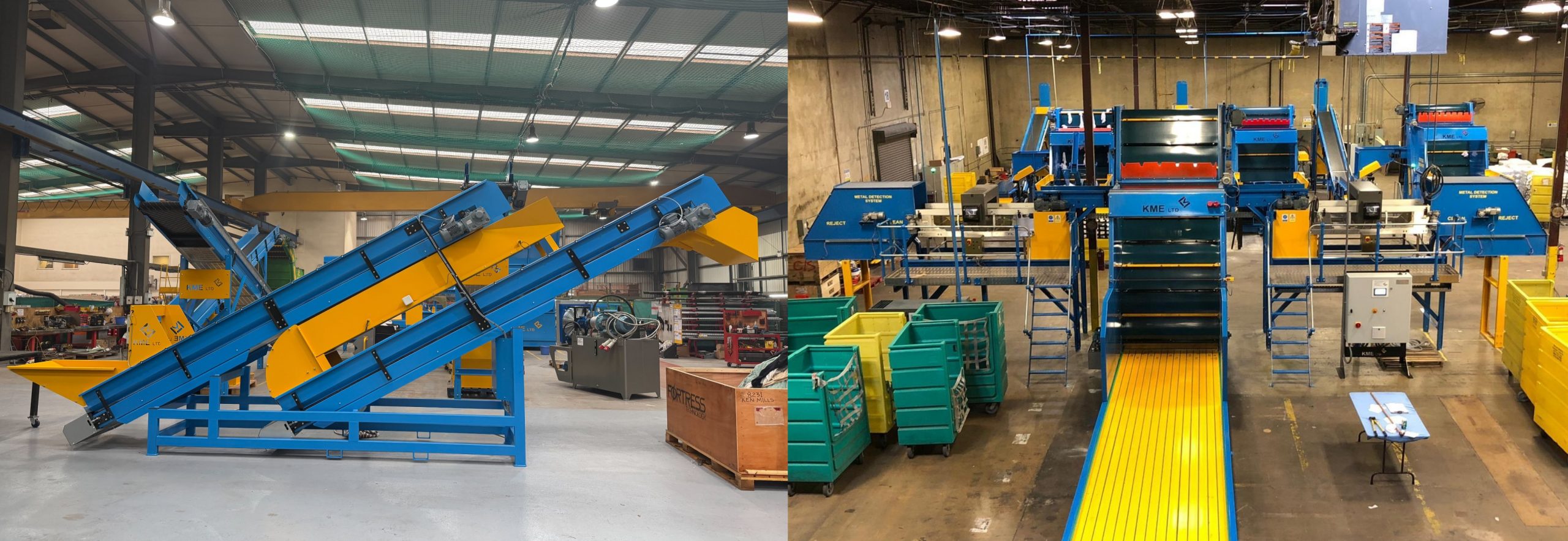
Improving Material Flow: Textile Bale Breakers and Regulating Conveyors
19 Nov 2026
Textile bale breakers and regulating conveyors play an important role in keeping material moving through a textile recycling process. Both help support a consistent flow of material, but they do this in different ways depending on how the recycling operation is set up.
Some businesses receive large, tightly compressed bales that need opening before further processing. Others need better control over how loose textiles are fed into their machinery.
Two machines that can help with these challenges are textile bale breakers and regulating conveyors. Although they do different jobs, both play an important part in handling and moving textiles.
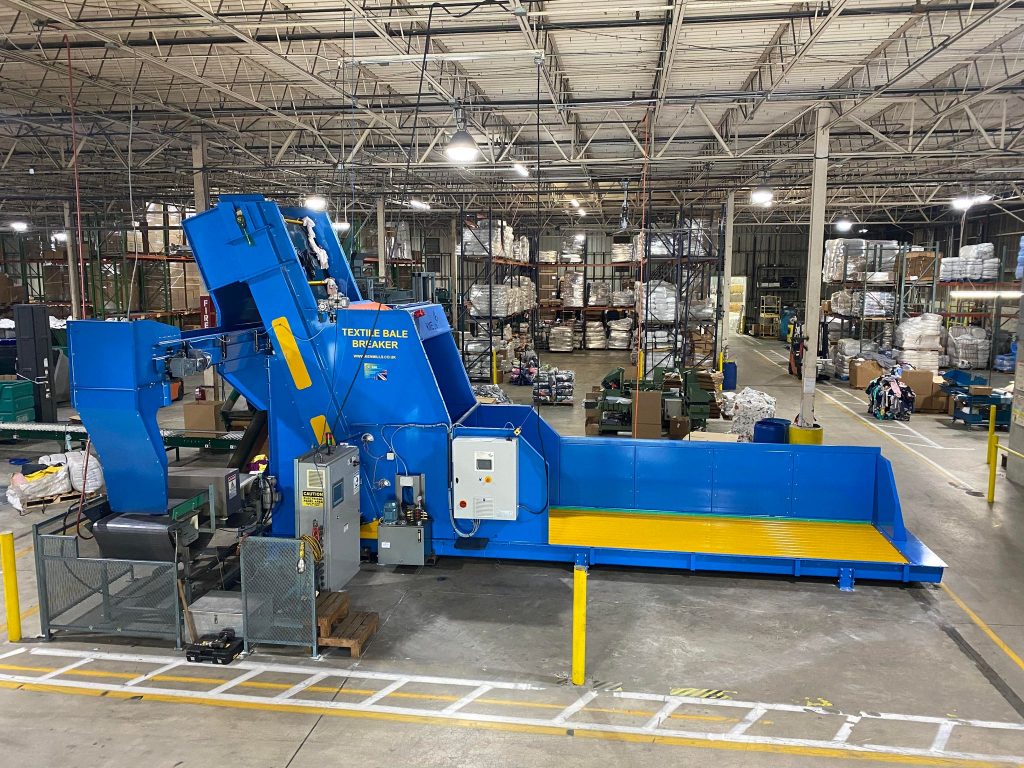
Textile Bale Breakers – Opening Up Compressed Bales
Textile bales arrive tightly packed, making them difficult to handle and feed into machinery without first being broken apart.
A textile bale breaker opens up these compressed bales, loosening the material and making it easier to handle and process.
This can help reduce the need for manual handling and provide a more manageable supply of textiles for the next stage of the process.
Bale breakers can also handle loose textiles, depending on the setup, making them useful for businesses working with different types of incoming material.
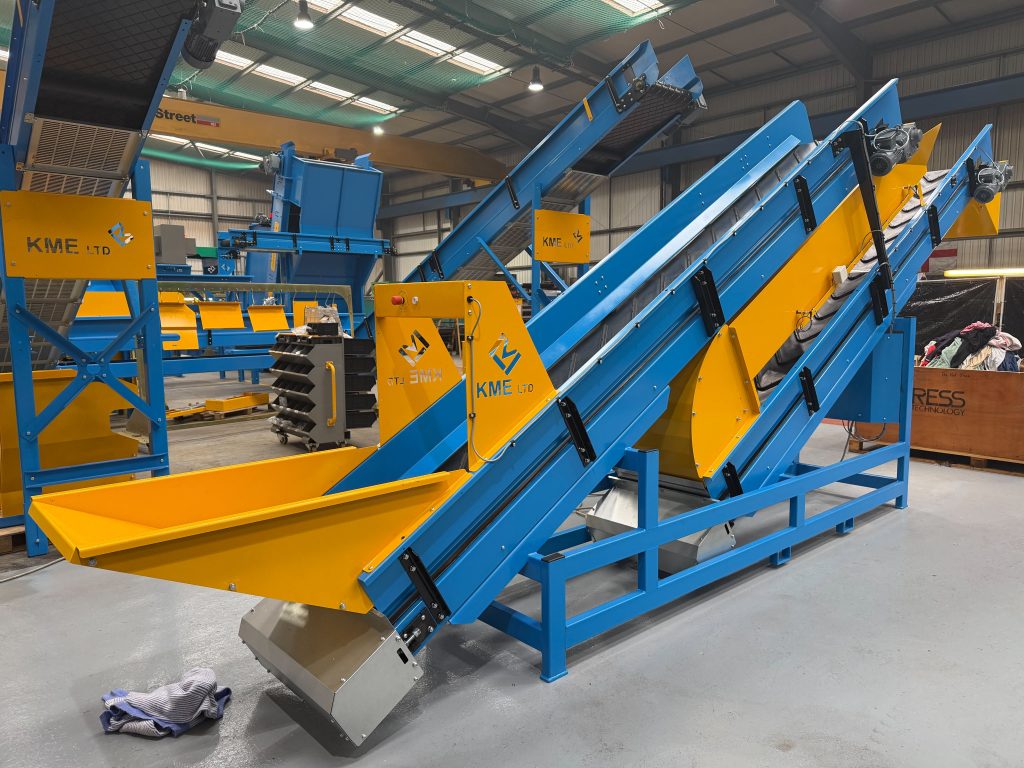
Regulating Conveyors – Controlling the Feed
Once textiles are ready to move through a recycling process, controlling how they are fed into machinery can be just as important.
A regulating conveyor helps manage the flow of material, moving textiles along at a controlled rate rather than allowing large amounts to build up or drop through all at once.
This can help provide a more even feed to the next stage of processing, supporting a smoother and more controlled operation.
Regulating conveyors can be designed to suit different layouts and material handling needs, including moving textiles into storage areas or feeding other equipment.
Choosing the Right Equipment for Your Process
Every textile recycling operation is different. Choosing between textile bale breakers and regulating conveyors will depend on the type of material being handled, how it arrives on site and what needs to happen next in the process.
A textile bale breaker may be the right choice where large compressed bales need opening. A regulating conveyor may be more suitable where the main challenge is controlling the movement and feed of loose material.
In some operations, both types of machinery may have a role to play, while in others only one may be needed. The important thing is choosing equipment that works with the process already in place.
Textile Recycling Machinery from KME
Ken Mills Engineering has been designing and manufacturing recycling machinery since 1980.
We understand that no two textile recycling operations are exactly the same. That’s why we work with customers to understand their materials, production needs and existing equipment before developing a suitable solution.
From textile bale breakers and regulating conveyors to metal detection, removal and baling systems, KME can help businesses find practical ways to handle and process textiles.