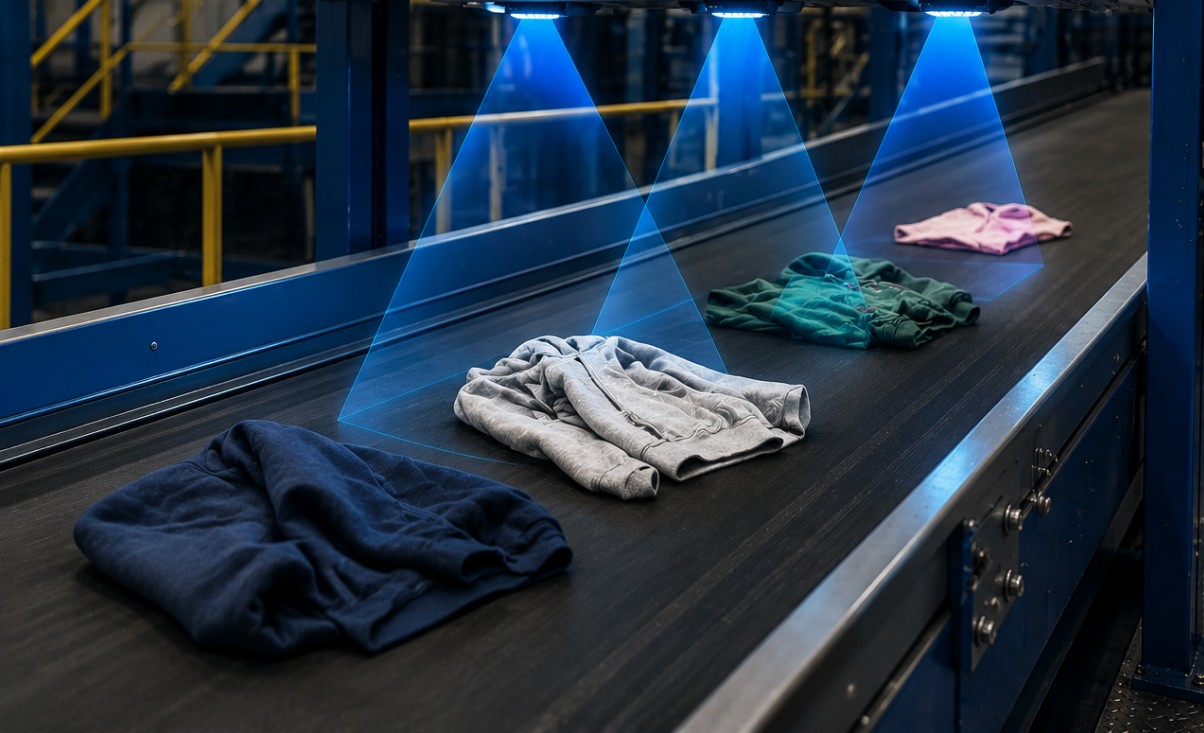
Why Material Feed is Critical for NIR & AI Textile Sorting
06 Aug 2026
The Future of Textile Recycling Starts Before the Sorting Line
The textile recycling industry is changing rapidly. Increasing textile volumes, growing sustainability targets and advances in AI textile sorting technology are driving recycling businesses to invest in smarter, more efficient processing systems.
Technologies such as AI textile sorting and Near Infrared (NIR) sorting are transforming how textiles are identified and separated, improving both throughput and material recovery.
However, even the most advanced sorting technology relies on one key factor — how the material is presented.
A consistent, controlled material feed is essential to achieve accurate sorting and maintain efficient production. This is where a Textile Bale Breaker plays a vital role.
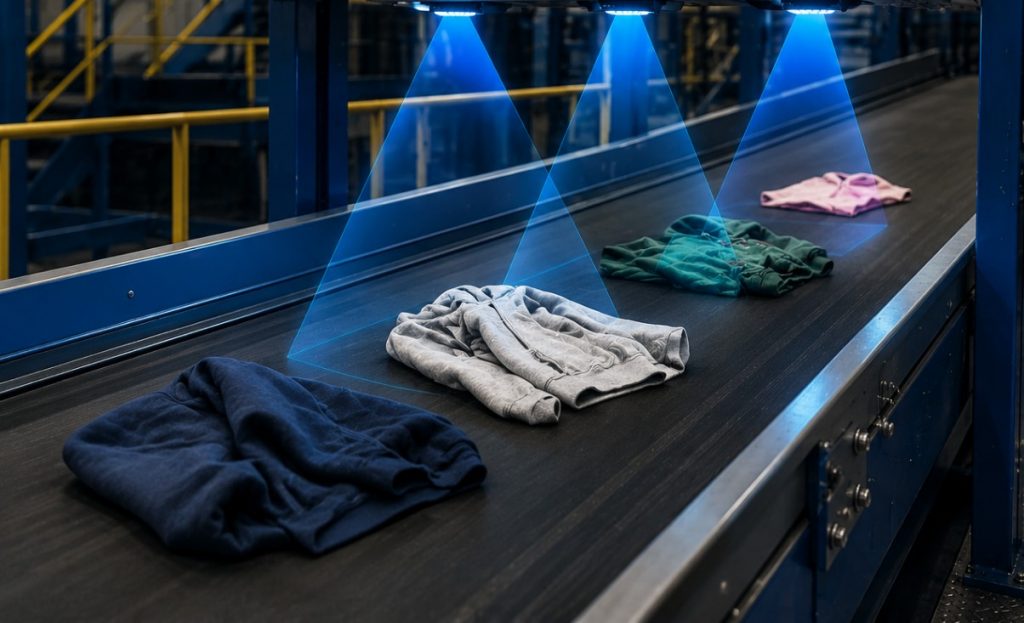
Why Material Feed Matters
Textile bales are highly compressed for transport and storage, making them difficult to process efficiently without preparation.
If large clumps of material are fed directly into a sorting line, they can create:
- Uneven material presentation
- Overlapping garments
- Conveyor blockages
- Reduced sorting accuracy
- Increased manual handling
- Lower production efficiency
Before textiles reach an AI camera, NIR scanner or manual sorting station, they need to be opened and evenly distributed.
Delivering a consistent material flow is the foundation of an efficient textile recycling process.
The Role of a Textile Bale Breaker
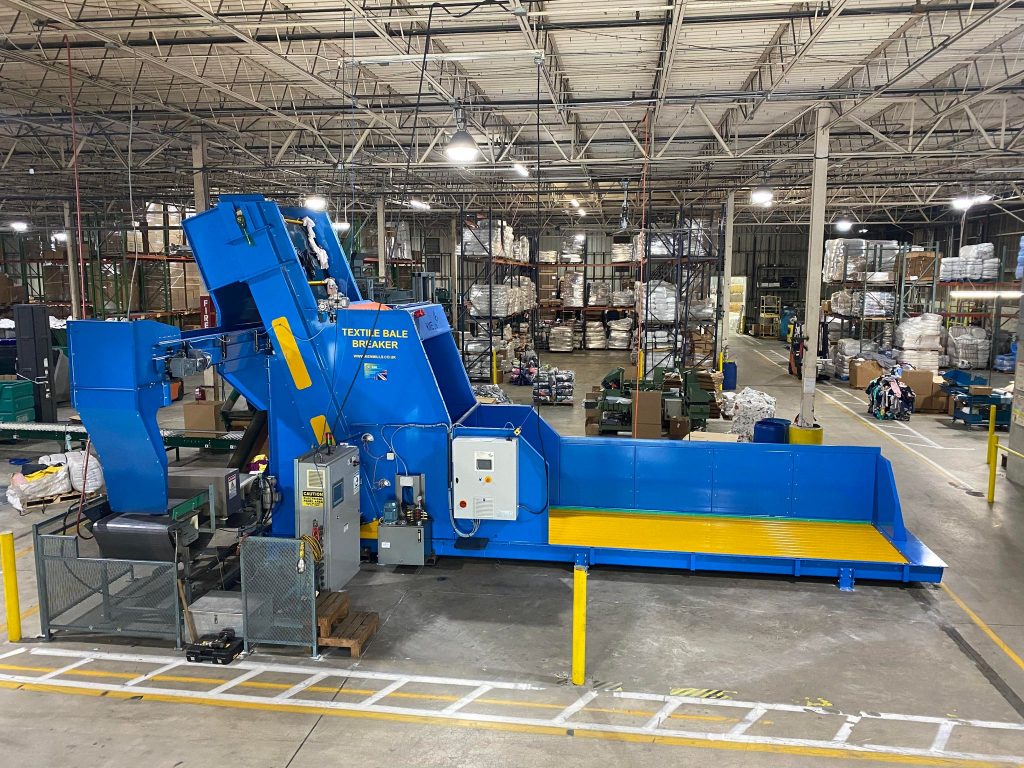
A Textile Bale Breaker is typically the first stage of a modern textile recycling line.
Its purpose is to safely open compressed textile bales and deliver a controlled, continuous flow of material to downstream equipment.
Rather than relying on manual labour to separate tightly compacted textiles, the Bale Breaker automates the process, improving safety, reducing handling and preparing material for the next stage of production.
The result is a smoother, more efficient recycling operation.
Preparing Textiles for AI & NIR Sorting
Modern AI vision systems and NIR sorting technology are designed to identify garments, fibres and materials as they travel along a conveyor.
For these systems to perform effectively, textiles should be presented in an even, consistent layer.
A controlled feed from a Textile Bale Breaker helps create the ideal conditions for:
- AI vision sorting
- NIR (Near Infrared) sorting
- Optical sorting technology
- Metal detection systems
- Manual quality inspection
- Conveyor systems
- Textile balers
By improving material presentation, recycling facilities can increase efficiency throughout the entire process.
Key Benefits of Controlled Material Flow
A well-designed material handling system benefits far more than just the first stage of production.
A consistent feed can help:
- Reduce manual handling
- Improve operator safety
- Increase throughput
- Reduce conveyor blockages
- Improve downstream efficiency
- Support higher sorting accuracy
- Minimise downtime
- Prepare operations for future automation
Rather than simply moving material, the Bale Breaker helps create a more stable and efficient production line.
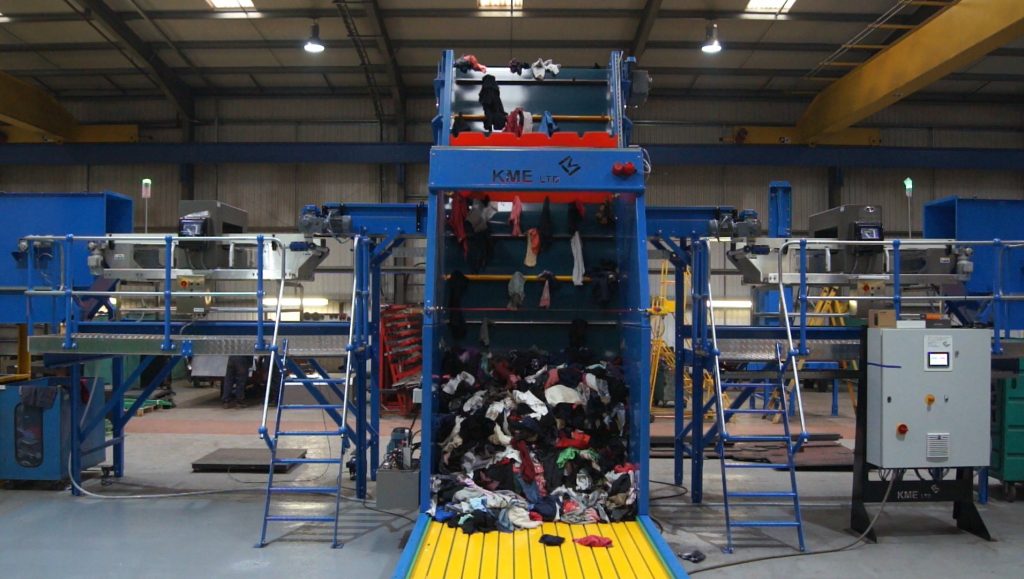
Future-Proofing Textile Recycling Operations
The demand for textile recycling continues to grow, and processing technology continues to evolve.
Many recycling facilities are now investing in automation to improve productivity and recover more valuable materials.
Choosing equipment that integrates with both current and future technologies provides greater flexibility as operations expand.
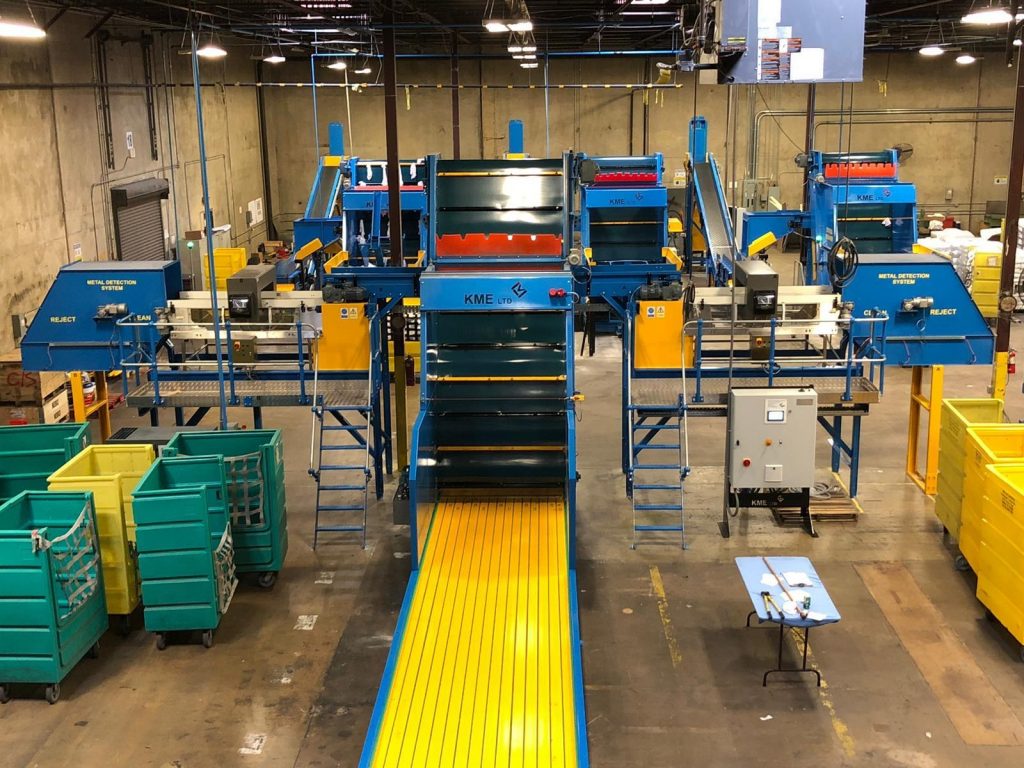
The KME Textile Bale Breaker is designed to work alongside:
- Manual sorting lines
- AI textile sorting systems
- NIR sorting technology
- Metal detection
- Conveyor systems
- Textile balers
- Complete textile processing lines
Whether upgrading an existing facility or designing a new recycling plant, every system can be engineered around your specific process and future plans.
Looking Beyond the Machine
As AI, NIR and automated textile recycling technologies continue to develop, material handling has become more important than ever.
A well-designed Textile Bale Breaker doesn’t simply open bales—it creates the consistent material flow needed to support efficient downstream processing and future automation.
By combining over 40 years of engineering experience with a practical understanding of textile recycling, Ken Mills Engineering helps customers build reliable, future-ready processing systems that are designed to grow alongside their business.